How this $485M Office Systemized Their Events (and Their Growth!)
Have you ever tried to host an event and felt like you’d taken on a second career? Suddenly you’re not just an advisor… You’re also a venue scout, designer, copywriter, caterer, guest coordinator, project manager, and logistics department, all stacked on top of your actual job.
What makes it even more frustrating is this: You know events can grow your business fast.
They deepen relationships, generate introductions, and fill your pipeline with clones of your best clients.
But because pulling them off feels like taking on an entire second job, and because you definitely didn’t spend years earning your license(s) just to feel like you needed a degree in event planning, events get pushed to “someday.”
But while your events sit on the back burner, the opportunities don’t. The introductions, the appointments, the referrals, the goodwill… They’re still happening — just not for you.
So, let’s fix that. Because there is a way to run high-ROI events without taking on a second career… And in this replay, you’ll see exactly how to do it.
Meet the system behind Olde Raleigh’s $485M event engine
Olde Raleigh Financial Group isn’t just “good” at events—they’ve built such a clean, simple, repeatable process that their advisors literally just show up.
Their events consistently generate:
new names
new appointments
new clients
and new money thoughtful and uncover new assets
Every. Single. Time. With results like that, you’d assume they have a professional events coordinator, right? WRONG.
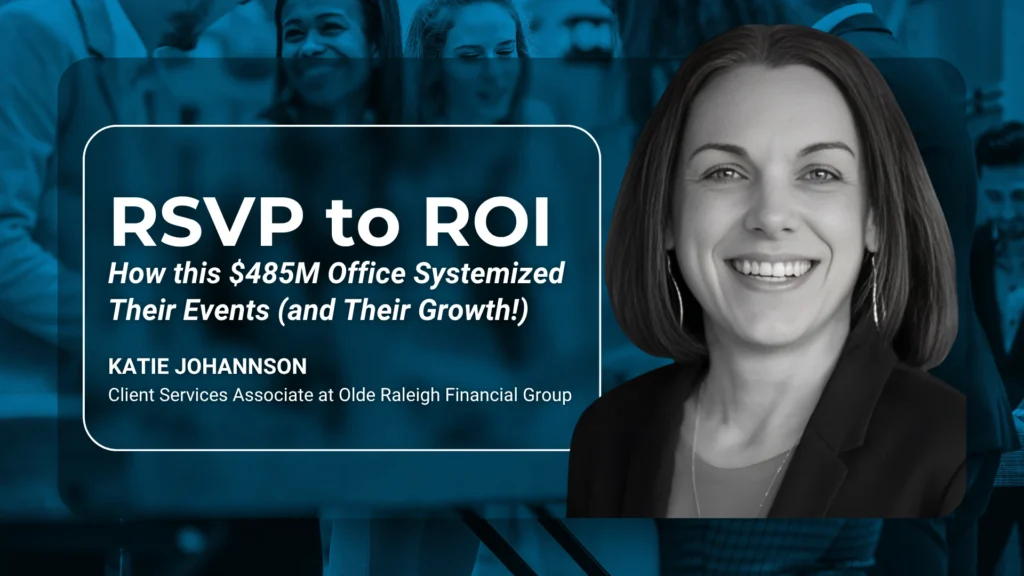
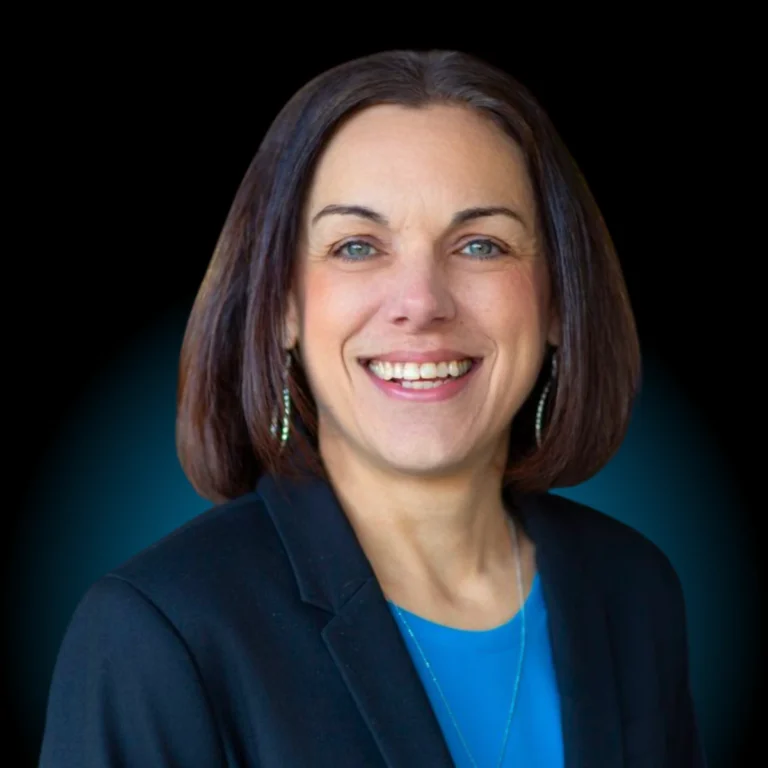
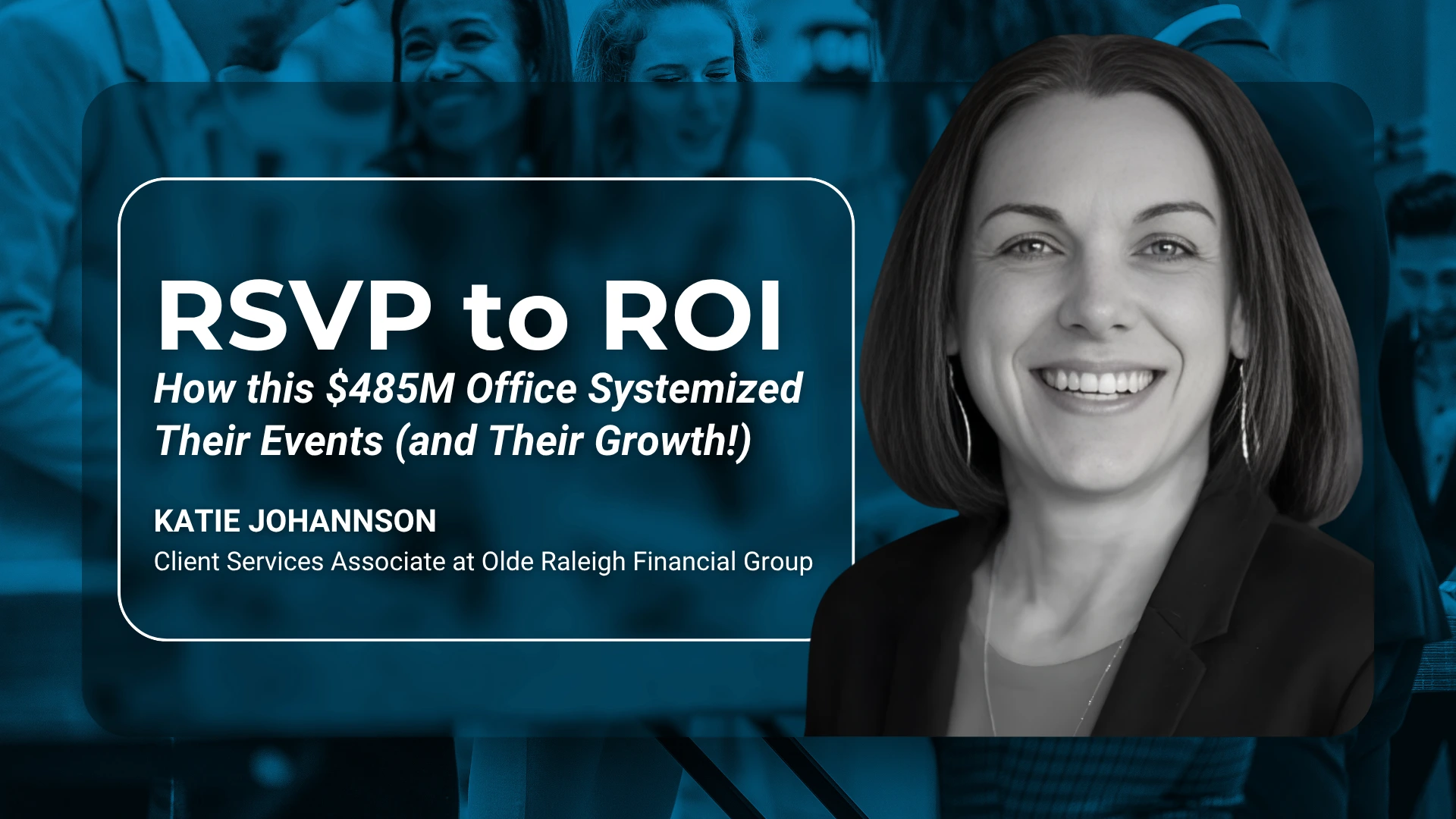
The person behind that entire machine—the ideas, the calendar, the tracking, the follow-up, the coordination—is Katie Johansson.
Katie is the Client Services Associate of Olde Raleigh, and she is the definition of administrative mastery. Her process drives Olde Raleigh’s events, fuels their referrals, and supports the growth that carried them to $485M. But she also handles far more than just event coordination for Olde Raleigh. So, how does she do it all — especially without a background in event planning?
In this webinar replay you will learn:
Maps out a full year of events so planning takes minutes, not weeks
Uses a simple tracking system to make sure no detail slips through the cracks
Builds events that consistently fill the room and naturally spark new introductions
Structures roles, tools, and timelines so advisors stay focused on relationships—not logistics
By the end, you’ll walk away with a plug-and-play formula your team can use immediately—no event-planning degree required.
And just in time to build a powerful event calendar for 2026.